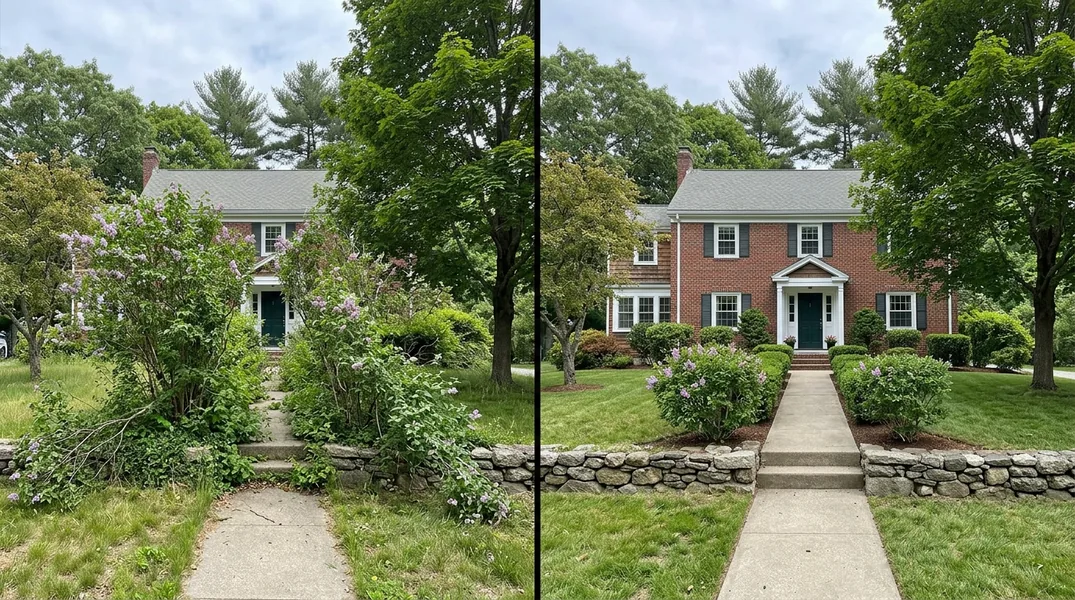
Understanding Tree Lifespans in Boston's Climate
If you own property in Boston, understanding how long your trees will live is essential for long-term landscape planning. Trees are living investments that can provide shade, beauty, and environmental benefits for decades, but their longevity depends on several factors including species, growing conditions, and maintenance. Boston's climate, with its cold winters and humid summers, creates a unique environment that influences how different tree species thrive and age.
The lifespan of a tree isn't simply determined by its species, though that plays a major role. Environmental stressors, soil quality, water availability, pest pressure, and disease resistance all contribute to whether a tree reaches its full potential or declines prematurely. A Norway maple that receives proper care and grows in ideal conditions might live longer than one struggling in compacted soil with poor drainage. This is why understanding the specific needs of common Boston tree species helps homeowners make informed decisions about planting, maintenance, and when professional intervention becomes necessary.
Norway Maple Lifespan: What Boston Homeowners Should Know
The Norway maple is one of the most recognizable trees in New England neighborhoods, prized for its dense canopy and reliable fall color. The norway maple lifespan typically ranges from 150 to 250 years under favorable conditions, making it a long-term fixture in any landscape. However, in urban settings like Boston, where soil compaction, pollution, and stress from construction are common, these trees often live somewhat shorter lives, averaging 100 to 150 years.
Norway maples are remarkably adaptable and tolerant of poor soil conditions, which is one reason they became so popular in city plantings. They handle salt spray from winter road treatments better than many alternatives, and they grow well in both acidic and alkaline soils. However, this hardiness can mask underlying problems. A Norway maple that appears healthy on the surface might be struggling internally due to root damage, soil contamination, or pest infestations. Regular inspection and Tree Trimming & Pruning can extend the life of these trees significantly. If you notice signs of decline such as dead branches, reduced leaf density, or unusual pest activity, professional assessment becomes important to determine whether the tree can be saved or if Tree Removal is the safer option.
How Long Do Red Oaks Live? Boston's Native Oak Species
Red oaks are native to the northeastern United States and represent one of the most valuable hardwood trees in the region. The answer to how long do red oaks live is impressive: these magnificent trees can reach 200 to 300 years of age, with some specimens living even longer. In Boston and surrounding areas, mature red oaks often become cherished landmarks, providing ecological value and aesthetic appeal across generations.
Red oaks grow more slowly than Norway maples but develop stronger, deeper root systems that make them more resilient to environmental stress. They prefer well-draining soil and full sun, conditions that are sometimes challenging to provide in urban environments. Once established, however, red oaks are remarkably durable and resistant to many pests and diseases that plague other species. The longevity of a red oak depends heavily on mature tree care in its early years. Young oaks need consistent watering, appropriate mulching, and protection from damage during development. Once they reach maturity, they become more independent, though they still benefit from periodic pruning to remove dead wood and maintain structural integrity. If you have a red oak on your property that shows signs of stress or damage, contacting a experienced arborist for evaluation is wise before problems become severe.
White Pine Lifespan: New England's Tallest Native Tree
White pines are iconic New England trees, historically the tallest trees in the eastern forest. The white pine lifespan typically ranges from 200 to 350 years, with exceptional specimens documented living considerably longer. These conifers grow quickly compared to hardwoods and can reach impressive heights, sometimes exceeding 150 feet. In residential settings around Boston, white pines often become dominant landscape features, creating dramatic vertical elements and providing year-round visual interest.
White pines thrive in the acidic, well-draining soils common throughout New England, making them naturally well-suited to the region. However, they face specific challenges that can shorten their lifespan. White pine weevil, a destructive pest, can damage the terminal leader and compromise the tree's form and longevity. Additionally, white pines are susceptible to several fungal diseases, particularly in humid climates. Proper mature tree care includes regular monitoring for pest and disease symptoms, appropriate pruning to maintain structure, and ensuring adequate air circulation through the canopy. If you notice yellowing needles, branch dieback, or unusual insect activity on a white pine, professional inspection can help determine the cause and appropriate treatment before the damage becomes irreversible.
Factors That Extend or Shorten Tree Lifespan in Boston
Several controllable and uncontrollable factors influence whether a tree reaches its full lifespan potential or declines prematurely. Soil quality is fundamental, as trees with access to nutrient-rich, well-draining soil typically outperform those in compacted, contaminated, or poorly drained sites. Water availability also plays a critical role, especially during establishment and during drought periods. Young trees need consistent moisture during their first few years, while mature trees generally become more drought-tolerant. However, extended dry periods can stress even established trees, making them more susceptible to pests and disease.
Urban stressors specific to Boston and similar cities can significantly reduce tree lifespans. Salt from winter road treatments, compacted soil from foot traffic and construction, air pollution, and physical damage from vehicles or pedestrians all take their toll. Improper pruning practices, including topping and flush cuts, can also dramatically shorten a tree's life by creating wounds that invite decay. Conversely, professional Tree Trimming & Pruning using proper techniques supports tree health and longevity. Regular maintenance, including mulching, appropriate watering, pest monitoring, and structural pruning, can add decades to a tree's life. Additionally, removing competing trees or branches that shade a struggling specimen can improve its vigor and extend its years of service.
When to Call a Professional for Mature Tree Care Near Me
Recognizing when a tree needs professional attention is crucial for preserving valuable specimens and protecting your property. Signs that a tree requires expert evaluation include large dead branches, significant lean or movement in wind, bark damage, cavities or hollow sections, fungal fruiting bodies on the trunk, and sudden changes in growth vigor or leaf appearance. If you observe any of these symptoms in a Norway maple, red oak, white pine, or any other mature tree on your property, reaching out to a experienced arborist or experienced tree service is the prudent step. Early intervention often allows problems to be managed rather than requiring complete removal.
Boston Tree Service offers comprehensive assessment and care for mature trees throughout the area. Whether you need Tree Trimming & Pruning to improve structure and health, evaluation of disease or pest issues, or guidance on whether a declining tree can be saved, our team can help. If removal becomes necessary, we also provide Stump Grinding and Tree Removal services to clear the site for new plantings or landscape redesign. For a professional assessment of your trees and a free estimate for any needed work, contact us at (857) 380-7444 or visit our website. Our arborists can evaluate your specific trees, discuss their long-term prospects, and recommend the best approach to maximize their health and lifespan.
Looking for a professional tree service contractor in Boston? Boston Tree Service responds fast for all your tree service needs.
Get a Free QuoteOur services: Tree Removal · Tree Trimming & Pruning · Stump Grinding