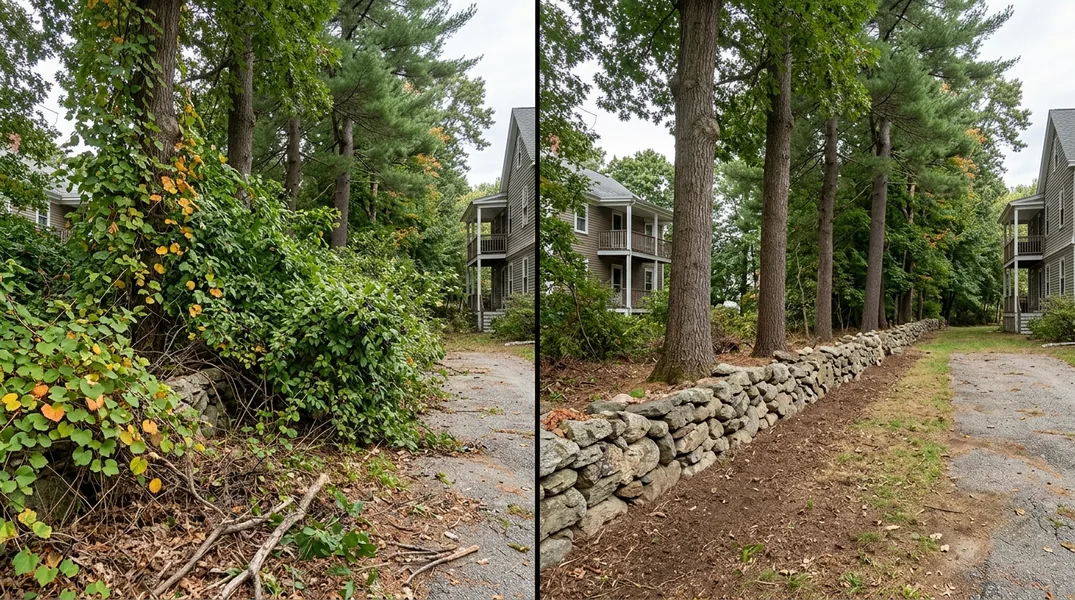
Understanding Nor'easter Tree Damage in Massachusetts
When nor'easters roll into Boston, they bring more than just inconvenience. These powerful coastal storms combine heavy precipitation, strong winds, and temperature fluctuations that create perfect conditions for nor'easter tree damage massachusetts homeowners dread. The combination of wet snow and freezing rain is particularly destructive because it adds significant weight to branches, ice-laden limbs, and entire tree structures that simply aren't engineered to handle such loads.
Unlike dry snow that slides off relatively easily, wet snow clings to every branch and twig, accumulating rapidly and creating tremendous stress on your trees. A single inch of wet snow can add hundreds of pounds of weight to a mature tree's canopy. When ice forms on top of that snow layer, the problem compounds exponentially. Trees that have survived decades of New England winters can suddenly fail under these extreme conditions, dropping branches onto homes, vehicles, power lines, and sidewalks. Understanding this risk is the first step toward protecting your property and your family during storm season.
How Snow Load Affects Tree Branches
The term snow load tree branches refers to the cumulative weight of snow and ice accumulating on limbs. Most tree species in the Boston area evolved to handle dry, powdery snow that naturally sheds. But nor'easters deliver the opposite: heavy, wet precipitation that sticks and builds up. A branch that might support 50 pounds of dry snow can fail catastrophically under 200 or 300 pounds of wet snow and ice. The failure often happens suddenly, without warning, creating a dangerous situation for anyone nearby.
Younger trees and those with dense foliage are particularly vulnerable because they capture and hold more snow. Trees with weak branch angles, previous damage, or poor structure are at even greater risk. Once a branch begins to bend under the weight, the stress compounds as more snow continues to fall. Eventually, the branch reaches its breaking point and snaps, sometimes taking larger portions of the tree with it. This is why Tree Trimming & Pruning before winter arrives is so critical for storm preparedness.
Preventive Tree Trimming Boston: Your First Line of Defense
Preventive tree trimming boston is one of the most effective ways to reduce nor'easter damage risk. By removing dead, diseased, and weak branches before winter arrives, you eliminate the limbs most likely to fail under snow and ice load. A professional arborist can identify structural weaknesses, correct poor branch angles, and thin dense canopies to allow better wind penetration and snow shedding. This proactive approach can mean the difference between a tree that survives the season intact and one that drops branches across your roof or driveway.
The ideal time for preventive trimming is late fall, ideally before the first major storm arrives. This gives your trees time to heal the pruning cuts before entering dormancy. Trees trimmed in November or early December are better positioned to handle January and February nor'easters. Additionally, thinning the canopy improves the tree's overall health by increasing light penetration and air circulation, which reduces disease pressure and promotes stronger growth in spring. When you invest in preventive trimming now, you're protecting your property and extending your trees' lifespan simultaneously.
Recognizing Ice Storm Tree Damage and When to Act
Ice storm tree damage can be deceptive. Some damage is immediately obvious: hanging branches, split trunks, or trees leaning at odd angles. Other damage is more subtle. A branch might appear intact but have internal cracks or partial breaks that make it unstable. Bark might be stripped from limbs, or the tree's crown might be lopsided after major branches fail. Even after the storm passes and the ice melts, damaged trees remain hazardous because weakened branches can fail days or weeks later, especially if another storm arrives before the tree recovers.
If you notice any of these signs after a nor'easter, your safest course is to contact a professional. Attempting to remove large branches or assess structural damage yourself can be extremely dangerous, particularly when ice is still present or the ground is frozen. A experienced arborist can evaluate the damage, determine whether the tree can recover, and recommend whether Tree Removal is necessary. Many trees that appear severely damaged can actually survive if the right corrective pruning is performed promptly. Boston Tree Service offers Emergency Tree Service for exactly these situations, available when you need help most.
Pre-Storm Preparation: What You Can Do Now
Don't wait for a nor'easter warning to prepare your trees. Start now by walking your property and identifying potential hazards. Look for dead branches hanging over your house, garage, or driveway. Notice trees with multiple trunks or branches growing at weak angles. Check for signs of disease, insect damage, or previous storm damage that might have weakened the tree. Trees that are already stressed or compromised are far more likely to fail under snow and ice load. If you spot any concerns, contact Boston Tree Service at (857) 380-7444 to schedule a professional evaluation.
Beyond individual tree assessment, consider the overall layout of your landscape. Trees planted too close together compete for resources and often develop weaker structures as they shade each other. Trees near buildings or power lines need extra attention because failure in these locations creates significant hazards. If you have large trees overhanging your roof, gutters, or deck, preventive trimming becomes even more important. A professional can thin the canopy, remove deadwood, and improve structure to dramatically reduce storm risk. Getting a free estimate is the first step toward a storm-ready landscape.
Why Professional Tree Care Matters in Winter-Prone Areas
Homeowners in Boston and surrounding areas face unique challenges that make professional tree care invaluable. Our region experiences multiple nor'easters each winter, combined with variable temperatures that create freeze-thaw cycles damaging to tree health. Trees here need expert management to thrive. A experienced arborist understands local species, regional storm patterns, and the specific vulnerabilities of trees in our climate. They can make strategic pruning decisions that a general contractor or handyman simply cannot.
Professional tree care also includes risk assessment, which is critical for liability and safety. If a tree on your property damages a neighbor's home or injures someone, you may be held responsible if you knew or should have known the tree was hazardous. By maintaining your trees professionally and documenting that care, you protect yourself legally while protecting your community. Boston Tree Service has the expertise, equipment, and insurance to handle complex tree work safely and effectively. Whether you need routine maintenance, storm damage cleanup, or emergency removal, calling a professional ensures the job is done right. Reach out today at (857) 380-7444 or visit our website for a free estimate on your tree care needs.
Looking for a professional tree service contractor in Boston? Boston Tree Service responds fast for all your tree service needs.
Get a Free QuoteOur services: Tree Removal · Tree Trimming & Pruning · Stump Grinding