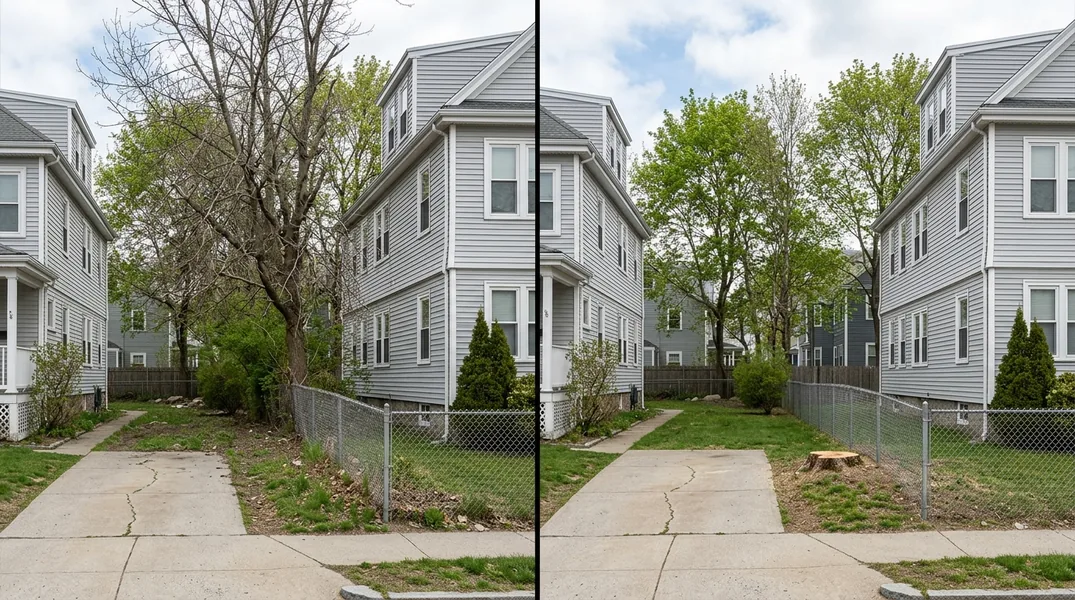
Do You Need a Tree Removal Permit in Boston?
One of the most common questions homeowners ask is whether they need a permit to remove a tree from their property. The answer in Boston is not always straightforward, and it depends on several factors including the tree's location, size, and whether it's considered a street tree or heritage tree under local ordinances.
In Boston, most residential trees on private property do not require a permit for removal, but there are significant exceptions. Street trees, which are trees growing in the public right of way between the curb and sidewalk, almost always require a permit from the city's Parks and Recreation Department. Additionally, trees in historic districts or those protected under the city's tree preservation ordinance may require approval before removal can proceed. Understanding these distinctions upfront can save you time, money, and potential legal complications.
The best approach is to consult with professionals who understand local regulations before you make any cuts. If you are unsure whether your tree requires a permit, contacting Boston Tree Service for a free estimate can clarify your situation and ensure compliance with city rules.
Understanding Boston Street Tree Rules
Street trees in Boston are public property, and the city takes their management seriously. These are trees that grow in the public right of way, typically between the sidewalk and the street. Even though a street tree may be in front of your home, you do not own it, and the city maintains authority over its care and removal. Removing, topping, or significantly pruning a street tree without permission is illegal and can result in fines.
If you believe a street tree in front of your property is hazardous, diseased, or interfering with utilities, you can request that the city evaluate it for removal or treatment. The Parks and Recreation Department has an established process for these requests. You will need to contact the city and explain the issue. A city arborist or inspector will typically visit the site to assess the tree's condition. If they determine the tree poses a safety risk or is beyond saving, they may approve removal or arrange for treatment options like Tree Trimming & Pruning to address the problem.
Many homeowners are surprised to learn that they cannot simply hire a contractor to remove a street tree. The city coordinates all street tree removals and often handles the work through city crews or contracted professionals. If you attempt unauthorized removal, you could face legal action and substantial fines. Always verify with the city before taking any action on a street tree.
Historic District Tree Removal in Boston: Special Considerations
Boston has numerous historic districts, and trees within these areas fall under additional protection through the city's historic preservation regulations. If your property is located in a designated historic district, you may need approval from the Boston Landmarks Commission before removing any tree, even if it is on your private property. This is particularly true for trees that are deemed historically significant or that contribute to the character of the district.
The historic district tree removal process requires you to file an application with the Boston Landmarks Commission and wait for their review. They will evaluate whether the tree has historical significance, contributes to the district's aesthetic or character, and whether there are alternatives to removal. This process can take several weeks or longer. If the commission denies your application, you will need to appeal or explore other options such as Tree Trimming & Pruning to manage the tree's growth or appearance instead of complete removal.
If your property is in a historic district and you have a tree that needs attention, it is essential to understand these requirements before proceeding. Attempting to remove a protected tree without approval can result in fines and legal complications. The team at Boston Tree Service understands these nuances and can guide you through the process to ensure your project complies with all local regulations.
The Boston Tree Ordinance: What Every Homeowner Should Know
The Boston tree ordinance is the legal framework that governs tree management throughout the city. While the specifics can be complex, the core principle is simple: trees are valuable community assets that deserve protection. The ordinance defines which trees require permits for removal, establishes penalties for unauthorized removal, and outlines the process for requesting tree work.
Under the Boston tree ordinance, certain categories of trees receive heightened protection. Heritage trees, which are typically large, mature trees of significant age or species rarity, may require a permit for removal even on private property. The ordinance also requires that property owners maintain trees in a healthy condition and not allow them to become hazards. If a tree on your property is dead, diseased, or poses a safety risk, you have a responsibility to address it, but you may still need to notify the city or obtain approval before removal.
One important aspect of the ordinance is the concept of tree replacement. In some cases, if you remove a tree, the city may require you to plant replacement trees on your property or contribute to a city tree planting fund. This requirement varies depending on the tree's size, species, and location. Understanding these potential obligations upfront helps you plan your budget and timeline more accurately. When you reach out for a free estimate, ask about any replacement requirements that may apply to your situation.
When You Can Remove a Tree Without a Permit
Not every tree removal in Boston requires a permit. Most small trees and shrubs on private property can be removed without city approval, provided they are not in a historic district, not protected heritage trees, and not street trees. If you have a small ornamental tree or a young sapling that you want to remove, you may be able to proceed without formal authorization.
However, even when a permit is not legally required, it is still wise to have a professional assess the tree and the removal process. A experienced arborist can identify any potential issues, such as proximity to utility lines, structures, or neighboring properties. They can also ensure the removal is done safely and responsibly. Many homeowners who attempt unauthorized Tree Removal on their own end up facing unexpected costs or property damage that could have been prevented with professional help.
The safest approach is to assume you need a permit unless you are absolutely certain you do not. If you are in doubt, call Boston Tree Service at (857) 380-7444 to discuss your specific situation. A quick phone conversation can clarify whether your project requires city approval and help you avoid costly mistakes.
How to Apply for a Tree Removal Permit in Boston
If you have determined that your tree removal requires a permit, the next step is to understand the application process. In Boston, the process varies depending on whether the tree is a street tree, a heritage tree, or a tree in a historic district. For street trees, you typically contact the Parks and Recreation Department. For trees in historic districts, you file with the Boston Landmarks Commission. For other protected trees, you may need to contact the Inspectional Services Department.
The application process generally requires you to provide information about the tree, including its location, species, size, and reason for removal. You may need to submit photographs or a experienced arborist's report documenting that the tree is diseased, dead, or hazardous. The city will review your application and may conduct a site visit. Processing times can range from a few weeks to several months, depending on the complexity of your case and the current workload of the relevant department.
Working with a professional tree service can streamline this process significantly. Boston Tree Service has experience navigating Boston's permitting requirements and can help prepare your application, provide necessary documentation, and communicate with city officials on your behalf. This expertise can accelerate approval and ensure your application is complete and compelling. Contact us at (857) 380-7444 or visit our website to discuss how we can assist with your permit application.
Looking for a professional tree service contractor in Boston? Boston Tree Service responds fast for all your tree service needs.
Get a Free QuoteOur services: Tree Removal · Tree Trimming & Pruning · Stump Grinding